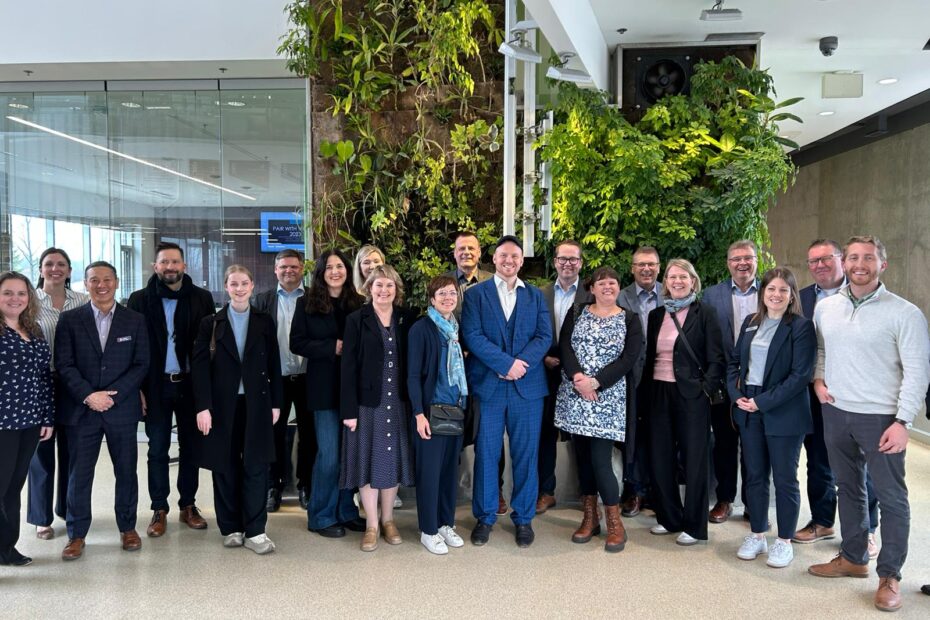
In April, representatives from TAKK travelled to Canada’s Greater Toronto Region to learn, exchange ideas, and challenge our own thinking. During the visit, we explored educational institutions, business ecosystems, entrepreneurship services, and how skills are being developed in a rapidly changing world.
The trip was not just about observing what others are doing. More importantly, it served as a mirror—helping us reflect on what we already do well and where we can take the next step.
One of the most important insights was surprisingly simple: TAKK is not behind—quite the opposite. Our learning environments stand up well in international comparison, our connections to working life are strong, and our education is practical and flexible. The real difference lies in how these strengths are brought together and how they are communicated.
Educational institutions are not just for learning
In Canada, educational institutions are not seen merely as training providers. They act as active players within the wider regional ecosystem, contributing to business development, innovation, and the creation of new solutions. This raises an important question for us: how can we further strengthen our role as a partner in developing skills, working life, and regional competitiveness?
Collaboration with companies is already a strong foundation at TAKK. However, in Canada, this collaboration goes deeper. Companies are not just clients or stakeholders—they are actively involved in everyday activities, projects, and learning environments. This challenges us to move further from cooperation towards true co-creation. In practice, this could mean more joint projects, opening learning environments for shared use, and building long-term partnerships. It is not only about delivering training, but about jointly building competence and competitiveness.
The impact of trainings must be highlighted
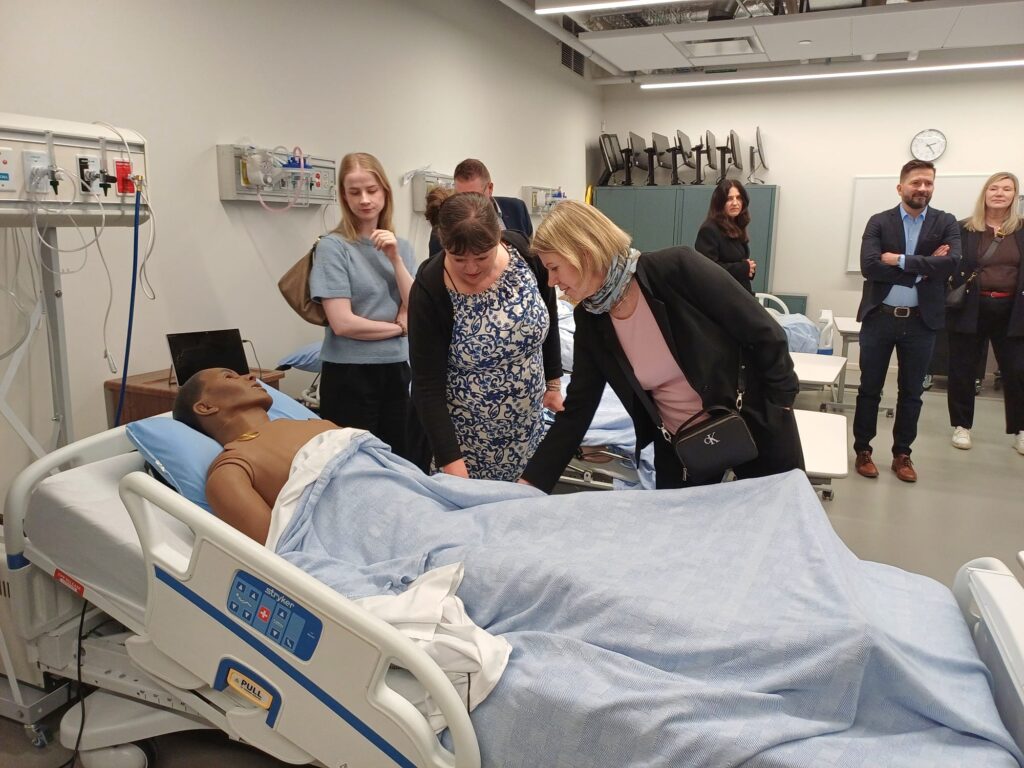
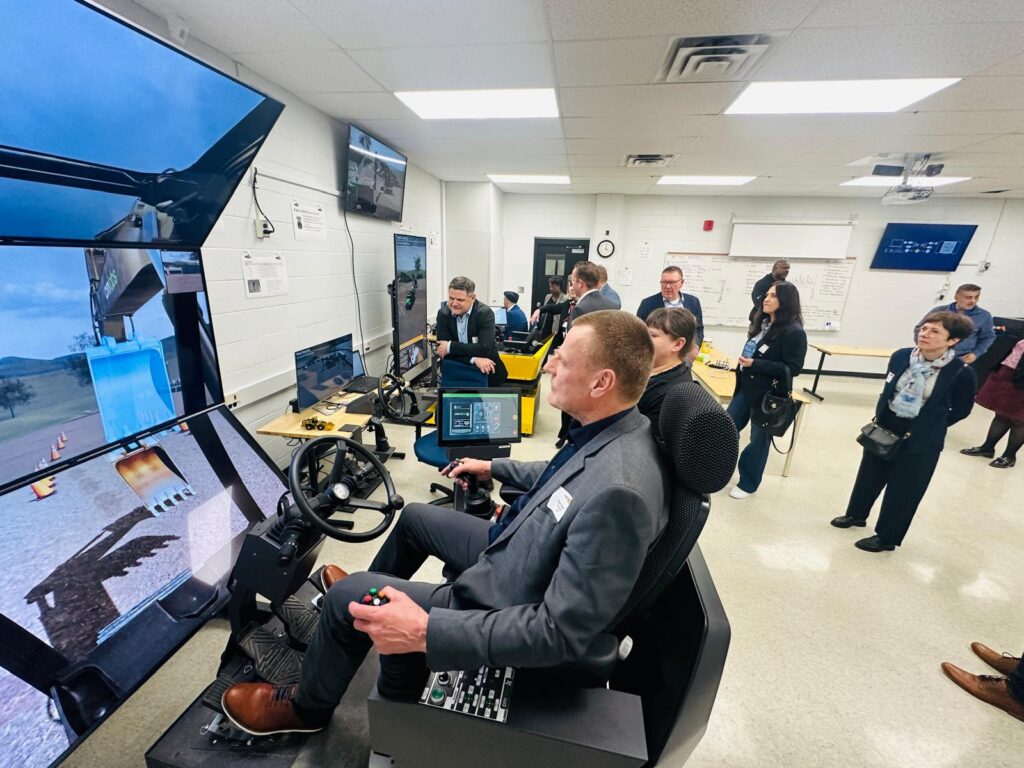
When it comes to learning environments, the key difference was not the facilities themselves, but how they are used. In Canada, spaces are active platforms for experimentation, development, and collaboration. At TAKK, we already have strong foundations. The next step is to consider how we can utilise them more effectively and ensure they support the story we want to tell.
One of the most significant insights relates to communication. In Canada, institutions do not primarily talk about their training offer—they talk about impact. They highlight how people find employment, how companies grow, and what new opportunities are created. This is also at the core of TAKK’s work. We do not simply provide education—we help solve skills shortages, support business growth, and enable people to build new career paths. The story is already there; perhaps we just need to tell it more boldly.
Everyone needs an entrepreneurial mindset
Entrepreneurship also emerged as a mindset rather than a separate path. In Canada, it is a natural part of career development, particularly among immigrants, but increasingly across the wider workforce. This invites us to reflect on how we can strengthen entrepreneurial thinking in all our education. It is not about everyone becoming entrepreneurs, but about developing initiative, recognising opportunities, and shaping one’s own future.
Overall, the visit reinforced much of what we are already doing well, while also helping to clarify the direction forward. The key is not radical change, but the evolution of our mindset.
An educational institution is not just a place where people learn. It is a place where the future is built—together with companies, learners, and society as a whole.
Sami Puttonen
Director of International Partnerships